- Ace Hardware Home Services/
- Blogs/
- Heat Pump Installation Replacement Dayton Homes
Home Efficiency & ImprovementHVAC Installation & ReplacementJune 06, 2025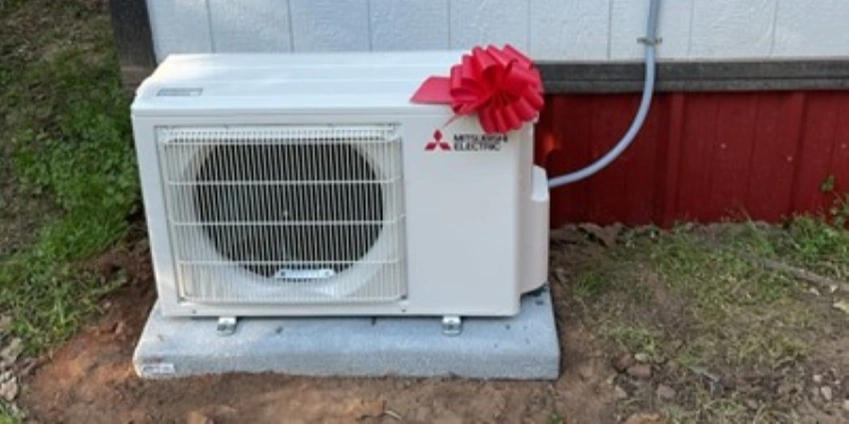
All About Heat Pump Installation for Dayton Homes
As a Dayton homeowner, you are accustomed to the changing seasons, hot summers to frigid winters. We know how difficult it can be with this unpredictable weather for your HVAC systems to keep up. An increasing number of homeowners are deciding to install a heat pump. Except, we know that this system can be an investment. Our helpful hardware team wants to make sure you stay informed on what exactly you are paying for and how it should be correctly operating.
Installation can vary from home to home, but a typical timeframe of installation is 1-2 days. Below is a general process that our technicians follow for smooth and convenient installation:
Even though the process our professionals follow for replacing your heat pump looks fairly similar to the initial installation, there are slight differences in the steps taken to ensure that your heat pump is replaced safely and efficiently.
After the first two steps, the remainder of the replacement process is the same as the installation.
Click Here To Book Your Service
Not in the Dayton area? Find an Ace Hardware Home Service location near you to schedule your estimate!
How Heat Pump Installation & Replacement Works
The main type of heat pump that you can install is an air source. In the summer, the heat pump pulls hot air from your home and pumps it outdoors. Reversely, in the winter, the heat pump absorbs warm air from outside (yes, even in the cold!) and pump it into your home. That’s why heat pumps are popular in the Midwestern climate, because they can accommodate the needs of all four seasons.Installation can vary from home to home, but a typical timeframe of installation is 1-2 days. Below is a general process that our technicians follow for smooth and convenient installation:
- Initial Assessment: An HVAC technician will visit your home to begin calculations and planning, to make sure we provide you with the perfect heating and cooling system custom for you. This is also the time our technicians will help you determine what system you both think is a perfect fit.
- Preparation: To prepare, our team inspects the electric panel and ductwork, to make sure you won’t have any issues or need system updating.
- Installation Components: There are four main components of the process that our home service pros will install. Those being the indoor unit, the outdoor unit, refrigerant lines, and electrical connection.
- System Testing: Our technicians will vacuum the refrigerant lines to ensure there is no leftover air or moisture and begin the first test of the system.
- Final Checks: There will be a final inspection by local authorities if permits are required. This is also where our professionals will help you learn how the system operates and general maintenance it will need.
Even though the process our professionals follow for replacing your heat pump looks fairly similar to the initial installation, there are slight differences in the steps taken to ensure that your heat pump is replaced safely and efficiently.
- Assessment and Planning: Our team will assess the old system and check if any components will be compatible with the upgrade. This will also be the step where our technicians will help you choose your replacement system
- Removal of Old Unit: Our technicians will safely remove refrigerant from the old system, along with disconnecting and removing the indoor and outdoor systems.
After the first two steps, the remainder of the replacement process is the same as the installation.
Pros and Cons of Installation
Pros:
• 2 Systems in 1: Heat pumps can be used to both heat and cool your home, offering year-round comfort for the hot Dayton summers and inches of snow in the winter.
• Eco-Friendly and Energy Efficient: A heat pump transfers heat from outside to inside of your home with only refrigerant and electricity, significantly more energy efficient compared to a furnace that burns gas or oil.
• Cost Efficient: Since a heat pump moves heat rather than creating heat, it has higher efficiency compared to a furnace, therefore reducing energy consumption and costs.
Cons:
• Noise: A heat pump has longer run cycles compared to a furnace, which means that the fan and compressor are on more often.
Helpful tip: There are pumps you can get installed with low noise ratings, along with installing away from doors or windows.
• Higher Up-Front Cost: The initial cost of a heat pump can be expensive and higher than a furnace. To make purchases convenient for more homeowners, there are tax incentives and rebates available.
• Less Efficiency in Extreme Cold: Air- source heat pumps may not be as efficient in sub-freezing temperatures. But don’t worry, there are cold-climate specific heat pumps that will ensure your family warmth for the Dayton winters.
When Should I Replace My Heat Pump?
There are a few signs that indicate your heat pump may need to be replaced. It can be difficult to differentiate if the system needs to be replaced or if simple repairs could do the trick. Call one of our pros if you notice any of these signs:• Your System is Old: A heat pumps life span tends to be between 10 and 15 years with some lasting up to 20. There are different factors that this life span depends on, such as how well the heat pump is maintained and its make and model.
• Decreased Efficiency: If you notice that your heat pump is not providing your home with the heating and cooling that it used to, it may be time for some repairs, or a new system all together, especially if it is over 10yrs old.
• Smells or Sounds: Even though some notice that their heat pump can be noisy, it should consist of a hum rather than rattling or screeching.
A burning plastic smell may indicate that there is an electrical problem with the system, while a musty smell indicates mold in the system.
If your heat pump is under ten years old and still efficient at meeting your comfort needs, our technicians recommend investigating if a minor repair could fix the system. However, if your system falls under one of the above categories, make sure you contact one of our experts. Our Helpful Home Services technicians in Dayton, OH will be able to conduct an inspection and tell you which choice is a better fit.Click Here To Book Your Service
Not in the Dayton area? Find an Ace Hardware Home Service location near you to schedule your estimate!
