
- Ace Hardware Home Services/
- Blogs/
- Ceiling Fan Direction Summer Vs Winter
Which Direction Should Your Ceiling Fan Spin in Summer vs. Winter?
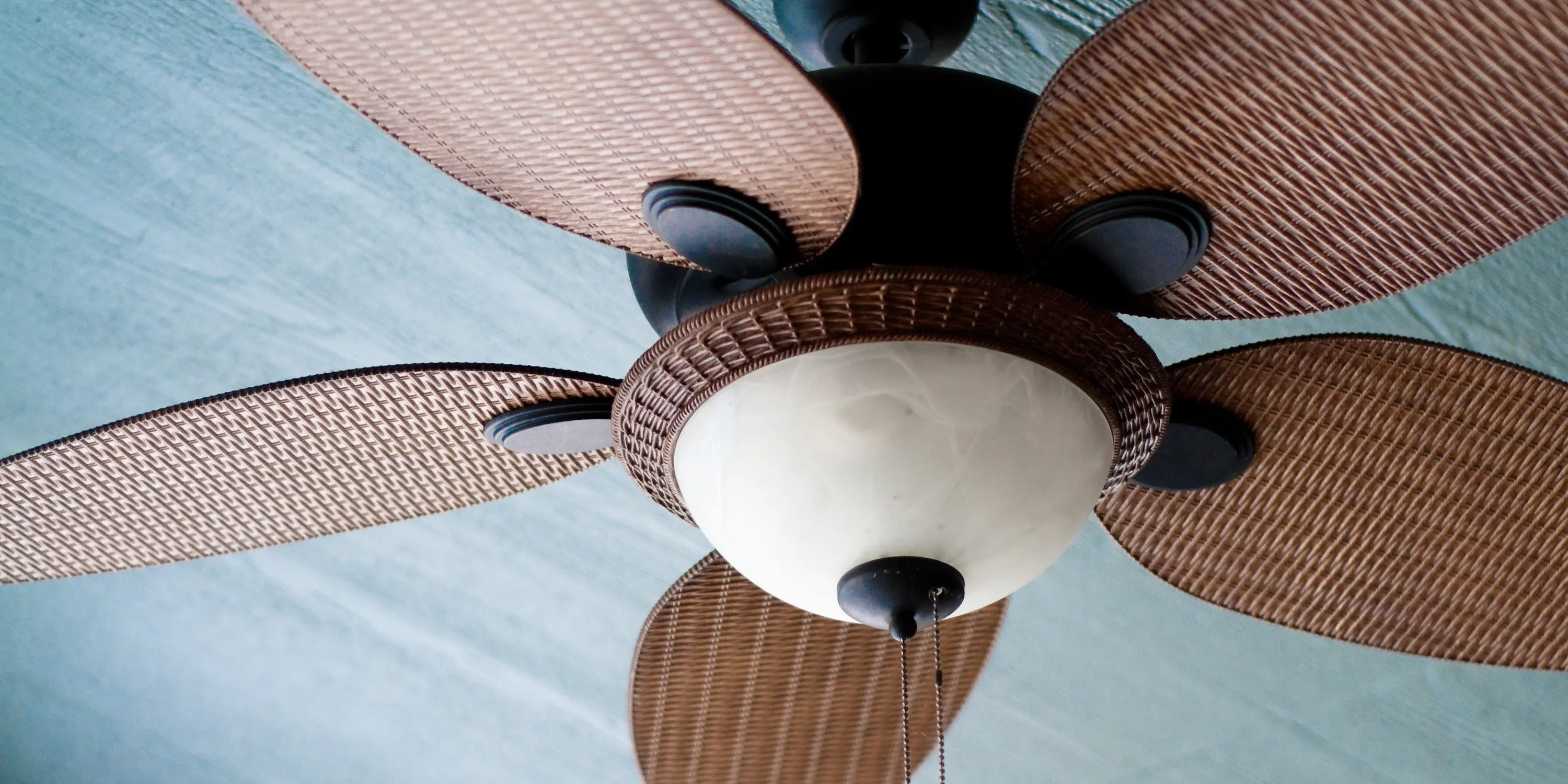
Did you know that your ceiling fan can help keep you comfortable year-round? There is one caveat: you have to make sure they’re spinning in the right direction. During the summer, fans should spin counterclockwise to create a cooling breeze. In the winter, they should spin clockwise at a low speed to help push warm air back down into the room. Using the right ceiling fan spin direction can help your home feel more comfortable while reducing strain on your heating and cooling system.
Summer vs. Winter Fan Direction
There are a lot of myths around ceiling fan use, which is why it helps to understand how they actually affect airflow and comfort. Knowing when to run your ceiling fan clockwise vs counterclockwise can help you get more out of your fan all year long.
Summer: Counterclockwise
In warm weather, your fan should rotate counterclockwise when viewed from below. This is the recommended ceiling fan direction in summer because it creates a direct breeze that produces a wind chill effect. Even though the room temperature doesn’t actually decrease, moving air across your skin can make the room feel several degrees cooler. That cooling effect may also allow you to raise the thermostat slightly without sacrificing comfort.
If you’re unsure whether your fan is moving the right way, stand underneath it. You should feel a noticeable breeze when the fan is set correctly.
Winter: Clockwise
You may wonder whether using a ceiling fan during the winter actually makes sense. The answer is yes, especially since warm air naturally rises and collects near the ceiling. Setting the ceiling fan direction in winter to clockwise and using it at a low speed helps pull cooler air upward while gently pushing trapped warm air back down into the living space. This setting should not create a strong breeze.
How To Change Your Ceiling Fan Direction
If you’re wondering how to change the ceiling fan direction, the process is usually simple. Most fans have a small reversing switch located on the motor housing above the blades. Turn the fan off completely before flipping the switch, then turn the fan back on to confirm the blades are spinning in the opposite direction. Some newer or smart ceiling fans can be controlled through a wall remote, handheld remote, or smartphone app.
Common Ceiling Fan Mistakes
Ceiling fans are relatively simple to use, but a few common mistakes can reduce their effectiveness:
- Forgetting to change directions: Many homeowners leave their fan in the same setting year-round, which limits seasonal benefits.
- Running the fan too fast in winter: High speeds can create a chilly draft instead of gently circulating warm air.
- Choosing the wrong fan size: A fan that is too small or too large for the room may not circulate air properly.
- Leaving fans running in empty rooms in the summer: Ceiling fans cool people, not spaces, so running them unnecessarily wastes electricity.
- Installing the fan too high or too low: Improper mounting height can reduce airflow and affect performance.
Schedule a Ceiling Fan Installation With Ace Hardware Home Services Today
Installing or replacing a ceiling fan involves electrical wiring, mounting support, and proper balancing. Attempting the work without the right experience can create safety risks or lead to performance issues later on. At Ace Hardware Home Services, our electricians provide dependable ceiling fan installations backed by clear communication, professional workmanship, and the trusted Ace name. Whether you’re upgrading an outdated fan or adding one to a new room, we’re here to help bring comfort and convenience to your home.
Achieve year-round comfort with a ceiling fan installed by our team! Find an Ace Home Services location near you to get started.
FAQs
How do I know which direction my ceiling fan is currently spinning?
Stand directly beneath the fan and look at the blade movement. If the blades rotate counterclockwise and you feel a breeze, the fan is set for summer. If the blades rotate clockwise with little airflow, the fan is set for winter use.
Where is the direction switch on a ceiling fan?
Most ceiling fans have a small switch on the motor housing just below the blades. You should always turn the fan off completely before changing the direction switch.
Does ceiling fan direction matter if I have high ceilings?
Fan direction still matters in rooms with high ceilings. Warm air tends to collect near the ceiling during winter, so a clockwise rotation can help redistribute heat more evenly throughout the space.
Should I run my ceiling fan and AC at the same time?
Running your ceiling fan along with your air conditioner can improve comfort and airflow. The breeze created by the fan may allow you to raise the thermostat slightly while still keeping the room comfortable.
