
- Ace Hardware Home Services/
- Blogs/
- How To Cut Electrical Costs Philadelphia
InteriorHome Efficiency & ImprovementElectrical ProjectsJune 17, 2026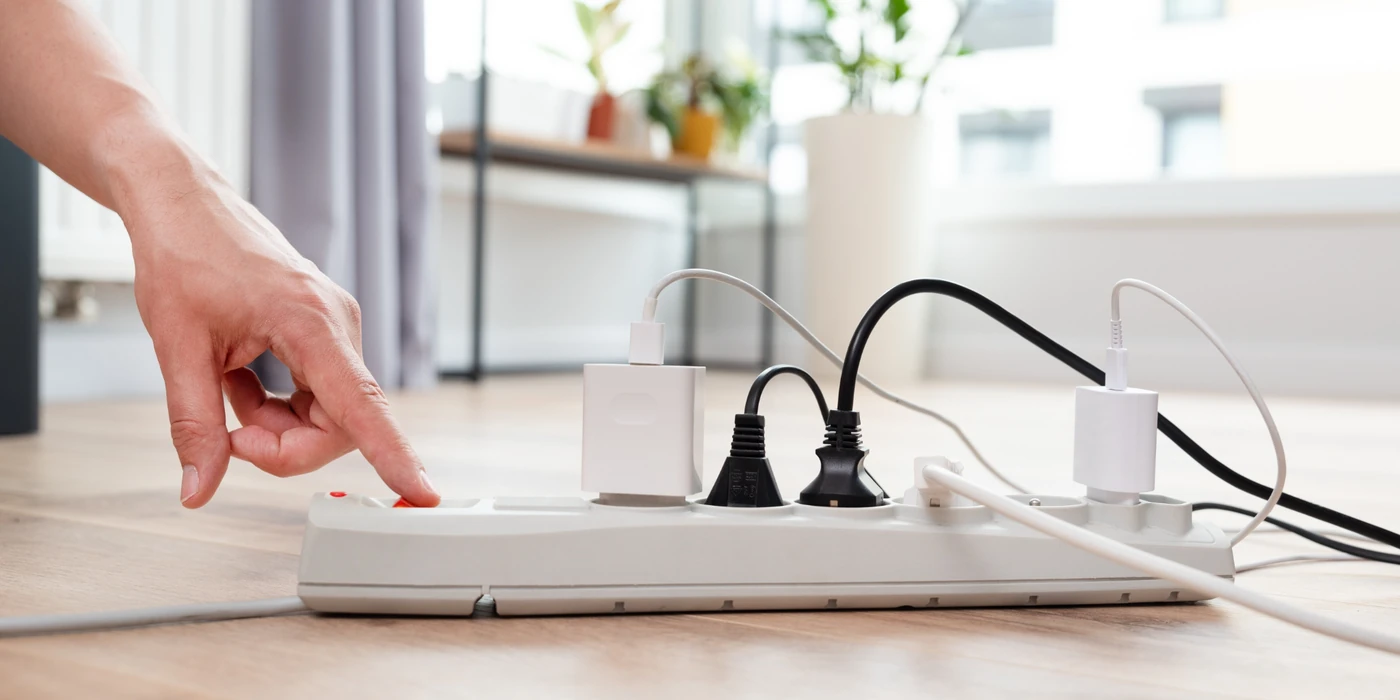
How to Lower Electricity Bills as a Philadelphia Homeowner: Practical Ways to Cut Costs
Lowering electrical costs in a Philadelphia home can be a challenge, especially in older houses that weren’t designed for today’s energy demands. Hot, humid summers, cold winters, and aging systems can all make it harder to stay comfortable efficiently. The good news is that a few practical changes and well-timed upgrades can reduce energy use in your home.
In older Philadelphia homes, bulbs aren’t always the only issue. Outdated fixtures or switches can limit efficiency or lead to flickering.These small updates help your lighting system work the way it should, instead of working against you.
• Replacing worn fixtures can improve light output without increasing wattage
• Adding dimmer switches lets you use only the light you need
• Updating older switches improves reliability and consistency
• Motion-sensor lights for alleys or rear entries
• Timers or smart lighting controls for porches and walkways
• Proper fixture placement to avoid over-lighting
Older rowhomes in Philadelphia often have gaps around:
• Doors and window frames
• Basement access points
• Utility lines entering the home
What to do:
• Add or replace weatherstripping where it’s worn
• Seal visible gaps with caulk or foam
• Check common problem areas like basement entries and attic access
Addressing attic efficiency can:
• Reduce heating and cooling run time
• Improve comfort on upper floors
• Lower overall electrical demand
A few simple habits can help you get more out of your system without sacrificing comfort:
• Raise the thermostat a few degrees when you’re not home in the summer
• Lower it slightly in the winter when the house is empty or overnight
• Avoid drastic changes that force your system to work harder to catch up
• Keep temperatures consistent without constant manual changes
• Reduce unnecessary heating and cooling cycles
• Track energy use and spot patterns over time
• TVs and cable boxes
• Game consoles
• Older power strips without switches
There are a few simple fixes for these hidden energy users. Use modern power strips with on/off switches to cut off that constant draw when devices aren’t in use. It’s a small change, but over time it adds up.
Upgrade to LED Lighting
If you’re looking for a quick way to lower your electrical usage, lighting is usually the easiest place to begin. Switching to LED bulbs and fixtures reduces the amount of electricity needed to light your home while also lasting longer. That means fewer replacements and lower ongoing energy use.In older Philadelphia homes, bulbs aren’t always the only issue. Outdated fixtures or switches can limit efficiency or lead to flickering.These small updates help your lighting system work the way it should, instead of working against you.
• Replacing worn fixtures can improve light output without increasing wattage
• Adding dimmer switches lets you use only the light you need
• Updating older switches improves reliability and consistency
Adjust Your Outdoor Lighting
Outdoor lighting is important for safety, but it doesn’t need to run all night. A few adjustments can keep your home well-lit without wasting energy:• Motion-sensor lights for alleys or rear entries
• Timers or smart lighting controls for porches and walkways
• Proper fixture placement to avoid over-lighting
Seal Air Leaks Before Upgrading Equipment
A lot of homeowners focus on appliances first, but air leaks can quietly drive up your electric bill. When cool air escapes in the summer, your AC needs to work longer to keep up.Older rowhomes in Philadelphia often have gaps around:
• Doors and window frames
• Basement access points
• Utility lines entering the home
What to do:
• Add or replace weatherstripping where it’s worn
• Seal visible gaps with caulk or foam
• Check common problem areas like basement entries and attic access
Don’t Overlook Your Attic
If your home has an attic, insulation plays a big role in overall energy use. Poor attic insulation and air sealing allow heat to escape in winter and enter in summer.Addressing attic efficiency can:
• Reduce heating and cooling run time
• Improve comfort on upper floors
• Lower overall electrical demand
Optimize Thermostat Settings for Better Efficiency
Your thermostat plays a bigger role in energy use than most people realize. Even a small adjustment can make a noticeable difference on your monthly bill, especially during Philadelphia’s hot summers and cold winters.A few simple habits can help you get more out of your system without sacrificing comfort:
• Raise the thermostat a few degrees when you’re not home in the summer
• Lower it slightly in the winter when the house is empty or overnight
• Avoid drastic changes that force your system to work harder to catch up
Smart Thermostats
If your schedule varies throughout the week, a programmable or smart thermostat can take care of these adjustments automatically. That means your HVAC system isn’t running full-time when it doesn’t need to be. Upgrading to a smart thermostat can also help you:• Keep temperatures consistent without constant manual changes
• Reduce unnecessary heating and cooling cycles
• Track energy use and spot patterns over time
Catch the Hidden Energy Drains
Some of the biggest energy users aren’t obvious until you look for them. Standby power can cause energy bills to rise more than you might think. Many devices continue to draw electricity even when they’re turned off:• TVs and cable boxes
• Game consoles
• Older power strips without switches
There are a few simple fixes for these hidden energy users. Use modern power strips with on/off switches to cut off that constant draw when devices aren’t in use. It’s a small change, but over time it adds up.