- Ace Hardware Home Services/
- Blogs/
- 12 Most Common Residential Hvac Questions
HeatingIndoor Air QualityAir ConditioningMay 30, 2025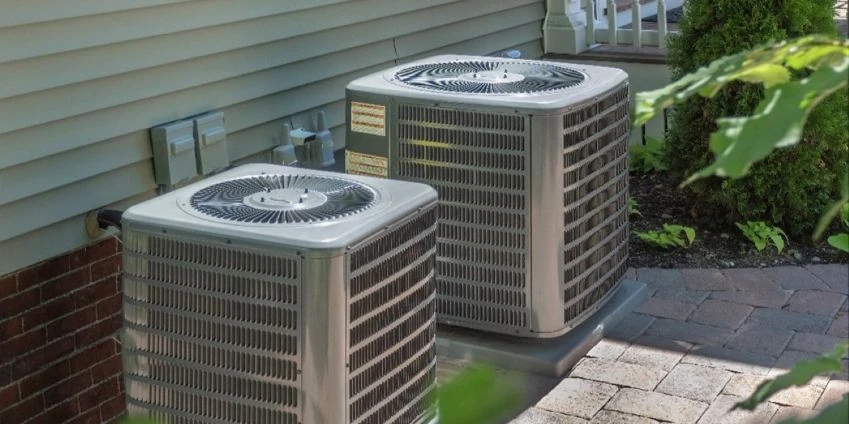
Answering The 12 Most Common Residential HVAC Questions
At Ace Hardware Home Services, we’ve worked with every kind of heating and cooling system there is—and we’ve heard just about every HVAC question, too. Whether you're a new homeowner or just trying to keep your system running efficiently, a little knowledge can go a long way. Below, we’ve compiled answers to the questions we hear most often to help you stay informed and confident about your home comfort.
Find an Ace Home Services location near you today to schedule HVAC repair, installation, or maintenance with our team.
1. What does HVAC stand for, and what does it include?
HVAC stands for heating, ventilation, and air conditioning. The term typically refers to all the systems and components used to regulate temperature, humidity, and air quality in your home. Common elements include furnaces, air conditioners, heat pumps, ductwork, air handlers, and thermostats.2. What types of heating and cooling systems are there?
Depending on your home and local climate, several options are available for heating and cooling your home. These include central air conditioners, furnaces, heat pumps, ductless mini-splits, boilers, and geothermal systems. Each offers different benefits in terms of efficiency, performance, and installation needs. Our team can consult with you to help determine the ideal systems for your home.3. How often should I schedule HVAC maintenance?
It’s best to schedule maintenance twice a year—once in the spring for your cooling system and once in the fall for heating. Regular maintenance helps extend the life of your HVAC system, prevent breakdowns, and keep it running efficiently.4. What are the signs that my heater or air conditioner needs repair?
Common warning signs include strange noises, unusual smells, inconsistent temperatures, weak airflow, short-cycling, or a sudden increase in energy bills. If your system isn’t keeping up with your comfort needs, it’s a good idea to have it checked by a professional.5. What are SEER and AFUE ratings?
SEER (Seasonal Energy Efficiency Ratio) measures the efficiency of air conditioners and heat pumps. The higher the SEER rating, the more efficient the system. AFUE (Annual Fuel Utilization Efficiency) applies to furnaces and measures how much fuel is converted into heat. A higher AFUE rating means that the furnace is more efficient.6. How long do heating and cooling systems typically last?
Most systems last between 10 and 20 years, depending on the type, usage, and maintenance. Regular tune-ups can help extend the life of your system and keep it running efficiently for longer.7. What size HVAC system do I need for my home?
The right size depends on several factors, including your home’s square footage, insulation, layout, and local climate. An undersized system won’t cool properly, while an oversized system will cycle more and waste energy. An HVAC professional can perform a load calculation to determine the ideal size system for your home.8. How often do HVAC filters need to be changed?
In most homes, filters should be changed every one to three months. If you have pets, allergies, or high dust levels, more frequent changes may be necessary to maintain airflow and indoor air quality.9. What temperature should I set my thermostat to?
In general, 68°F in winter and 76°F in summer are recommended for both comfort and energy efficiency. You can adjust up or down based on your preferences and use a programmable or smart thermostat to save energy when you’re away.10. What are indoor air quality services?
Indoor air quality (IAQ) services are any products or services that help keep the air in your home clean and healthy. These services may include humidifiers, dehumidifiers, air purifiers, UV lights, and duct cleaning.11. Are HVAC maintenance plans worth it?
Maintenance plans are a great investment, as they typically include scheduled tune-ups, priority service, and discounts on repairs. They help keep your system running efficiently, reduce the risk of surprise breakdowns, and can extend the life of your equipment.12. What should I do if my air conditioner or heater stops working?
First, check your thermostat settings, circuit breaker, and air filter to rule out simple fixes. If those all seem normal and the system still won’t turn on, call a licensed HVAC technician for a diagnosis and repair.Reliable Help for All Your HVAC Questions
No matter what kind of HVAC system you have or what issue you're dealing with, Ace Hardware Home Services is here to help. With licensed technicians, upfront pricing, and a focus on honest, helpful service, we’re proud to be your trusted home comfort partner.Find an Ace Home Services location near you today to schedule HVAC repair, installation, or maintenance with our team.
