- Ace Hardware Home Services/
- Blogs/
- Heat Pump Vs Air Conditioner Boston
Heat Pumps vs. Air Conditioners in Boston, MA: Which Is Right for Your Home?
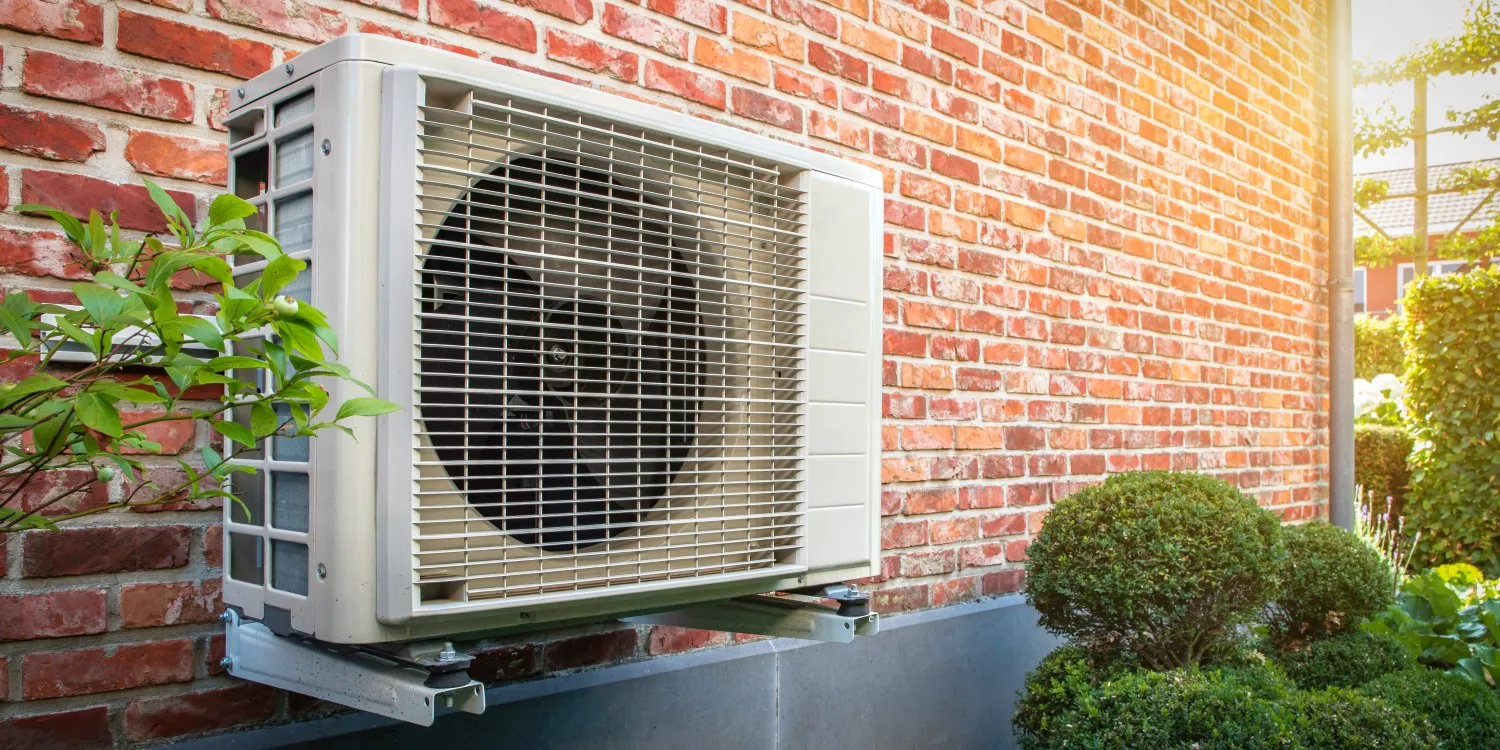
When the time comes to upgrade your HVAC system, will you choose a traditional air conditioner or a modern heat pump? Both systems perform reliably during Boston’s warm, humid summers, but only a heat pump can keep you comfortable in the winter. When comparing a heat pump vs. air conditioner in Boston, MA, it helps to know how these systems operate and the benefits they offer.
What Is the Difference Between Heat Pumps & Air Conditioners?
Heat pumps and air conditioners have a lot in common. Both use refrigerant and electricity to move heat, and both contain compressors, coils, and air handlers. During the summer, they operate nearly identically.
The difference appears when the temperature drops. A conventional air conditioner must pair with a separate heating system, such as a furnace or boiler, to heat your home in the winter. On the other hand, a heat pump is a standalone unit that keeps your home comfortable year-round.
How a Central Air Conditioner Works
Contrary to popular belief, air conditioning doesn’t “cool” the air. Rather, it extracts heat from the air inside your home and transfers it outdoors.
When the AC turns on, warm indoor air passes over the evaporator coil. The refrigerant inside the coil absorbs heat and carries it to the outdoor condenser unit, where it’s released into the air. This leaves cooled air behind to be distributed throughout the house via ductwork.
How a Heat Pump Works
A heat pump uses the same cooling process in the summer. Then, when temperatures drop, setting it to heating mode reverses the flow of refrigerant. This enables the heat pump to extract heat from the outdoor air and transfer it indoors.
The Case for a Heat Pump in Greater Boston
When comparing heat pumps vs. AC in Greater Boston, many homeowners are drawn to these advantages of heat pumps:
- Lower energy consumption than traditional heating methods
- Versatile heating and cooling from a single system
- Longer operating cycles for more consistent indoor temperatures
- Potential eligibility for rebates and incentives
- Reduced carbon emissions compared to gas and oil heating systems
As a Massachusetts homeowner, you might ask: Should I get a heat pump in Boston, MA? This could be a worthwhile investment if you prefer to heat with electricity and your existing heating and cooling system is due for replacement.
Still, some homeowners wonder whether a heat pump can handle the New England winter. While models from decades ago struggled in subfreezing conditions, cold-climate heat pumps have changed the conversation. These modern systems are the norm wherever the temperature may drop below freezing, with many designed to maintain performance down to -5 degrees F.
The Case for a Conventional Air Conditioner in Greater Boston
While heat pumps offer many benefits, a conventional central air conditioner is still one of the most popular choices in the Boston area. The benefits of central air conditioning include:
- Lower initial installation cost
- Straightforward replacement of an older AC unit
- Compatibility with the existing heating system
Traditional AC installation makes sense if your current furnace or boiler still has years of service life remaining. In this case, replacing only the cooling portion of your system is the most economical approach.
When a Ductless Heat Pump Makes Sense
Not every Boston home has ductwork. Many older properties were built before central air conditioning existed, making ductless systems an appealing alternative to bulky, noisy window units. Plus, since ductless heat pumps also provide heating, you get double the functionality from a single unit.
Ductless systems, also called mini-splits, consist of an outdoor unit connected to one or more wall-mounted indoor air handlers. These systems provide heating and cooling exactly where you need it, no ductwork required.
Ductless heat pumps are ideal for numerous applications:
- Older homes without existing ductwork
- Home additions
- Finished basements
- Converted attics
- Detached garages
Many homeowners also install ductless systems in rooms with comfort challenges as a supplement to their central heating and cooling system. For instance, a second-floor, south-facing home office may stay warmer than the rest of the house during the summer. Then, a basement game room might benefit from additional heating in the winter. A mini-split meets both needs with targeted temperature control in these specific areas.
Frequently Asked Questions
Do heat pumps work efficiently in Boston’s cold winters?
Heat pumps have advanced considerably in recent years. If you’re wondering whether you should get a heat pump in Boston, MA, rest assured that cold-climate models perform reliably and efficiently in the New England climate.
Is a heat pump more expensive than a central air conditioner?
Yes, the initial installation often costs more. However, a heat pump alone is less expensive than the combined cost of replacing your furnace and air conditioner. Plus, lower operating costs help you recoup your investment over the years.
Can a heat pump replace my existing heating system in Boston?
In many cases, yes. A properly sized cold-climate system can serve as your primary heating source. If you’re worried about cold snaps, you can always install a dual-fuel system, which combines an electric heat pump with a gas furnace.
What is the difference between a ducted heat pump and a ductless mini-split?
A ducted heat pump distributes air through ductwork. A ductless mini-split features wall-mounted indoor units to deliver heating and cooling directly to individual rooms.
Call Our Team for Professional HVAC Guidance
Now that you understand air conditioners vs. heat pumps in Massachusetts, you should feel more confident choosing between them. If you still have questions, Ace Hardware Home Services would be glad to help. Our licensed, insured technicians provide professional advice and free replacement estimates so you can make an educated decision. As the Helpful Folks, Bringing Helpful to Your Home℠, we’re ready to recommend the best HVAC system for your Boston home.
Contact us today to schedule services in Greater Boston, or find a location near you if you’re outside the Boston area.
