
- Ace Hardware Home Services/
- Blogs/
- When And How To Shut Off The Water
PlumbingHome SafetyFebruary 15, 2024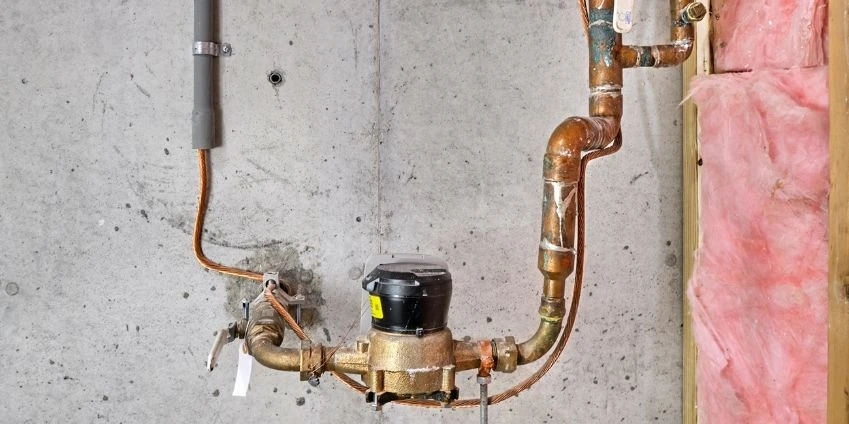
When & How to Shut Off the Water
Having safe, clean, running water in your home is important for health and comfort, but it’s also a source of potential damage. A pipe could break, for example, or a fixture could begin to leak. That’s why every homeowner should know how to shut off the water supply to their home quickly and efficiently. That’s usually done by turning off the main water valve.
However, not all water valves are created equal. Understanding how the specific valve at your home works should be a priority, whether you’ve just moved in or have lived there for a long time. Here’s what to know about the functionality and quality of several different kinds of valves, so you can turn yours off as needed, and maintain it correctly, too.
Plastic vs. Brass
Plastic valves are typically less durable than brass options, and may degrade over time. That makes them more prone to leaks or malfunctions. On the other hand, brass valves are stronger and more resistant to corrosion, offering greater reliability for the long term.
Multi-Turn vs. Quarter-Turn
Another consideration is the mechanism of the valve. Multi-turn valves require several rotations to fully shut off the water flow, while quarter-turn valves only need a 90-degree turn for quick and easy shut-off. Quarter-turn valves are usually preferred because they’re simple and efficient. They’re also faster during emergencies.
Push-On vs. Compression
Push-on valves are convenient for DIY installations. However, they may not provide as secure a connection as compression valves, which use a threaded nut to create a tight seal. Compression valves are ideal for high-pressure applications and offer better reliability, so you can protect your home more fully.
The right water leak services will help you get valves and supply lines replaced properly, so you can trust your plumbing system to work the way it should. By working with professionals, you reduce the chances of problems with your main water valve, the supply lines, and valves that are specific to fixtures such as toilets and sinks.
When you need a main water shut-off valve replacement at your OKC home, it’s important to leave that job to professionals. They know how to replace a water shut-off valve the right way. It’s vitally important that the valve be of good quality and installed properly, so it works the way you expect and need it to.
Where is my main water shut off valve?
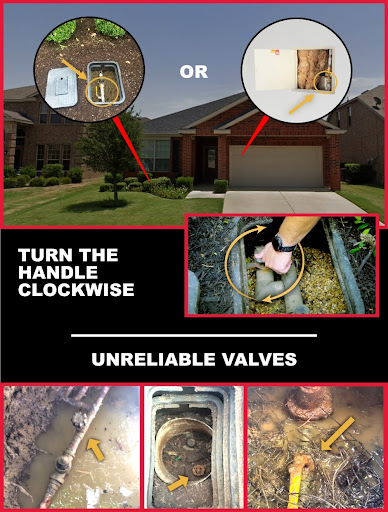
Your water shut off valve should be located where your main water line comes into your home, and a water shut off valve in a garage is common. Finding it and understanding how it works is one of the first things a homeowner should do when they move in, so they’re properly prepared in a plumbing emergency.
When to shut off a water valve?
You should shut off your home’s water valve if you’re doing any plumbing maintenance or remodeling. You’ll also need to shut it off if there’s a burst pipe or a leak, so you don’t end up with water damage until the problem can be fixed.
Working with professionals is the right choice to invest in high-quality valves and supply lines, and stay proactive with maintenance. Then you can safeguard your home against water damage and ensure uninterrupted access to this vital resource while enjoying more peace of mind.
However, not all water valves are created equal. Understanding how the specific valve at your home works should be a priority, whether you’ve just moved in or have lived there for a long time. Here’s what to know about the functionality and quality of several different kinds of valves, so you can turn yours off as needed, and maintain it correctly, too.
Valve Quality: Materials, Mechanisms, and Connections
There are three main areas to think about when it comes to the water valve at your home, and those are the material it’s made from, the way you turn it on and off, and the kind of connection it has to the water line.Plastic vs. Brass
Plastic valves are typically less durable than brass options, and may degrade over time. That makes them more prone to leaks or malfunctions. On the other hand, brass valves are stronger and more resistant to corrosion, offering greater reliability for the long term.
Multi-Turn vs. Quarter-Turn
Another consideration is the mechanism of the valve. Multi-turn valves require several rotations to fully shut off the water flow, while quarter-turn valves only need a 90-degree turn for quick and easy shut-off. Quarter-turn valves are usually preferred because they’re simple and efficient. They’re also faster during emergencies.
Push-On vs. Compression
Push-on valves are convenient for DIY installations. However, they may not provide as secure a connection as compression valves, which use a threaded nut to create a tight seal. Compression valves are ideal for high-pressure applications and offer better reliability, so you can protect your home more fully.
One-Piece Valve & Supply vs. Separate Valve & Supply
Some homes have one-piece valves integrated with the supply line, while others have separate valves and supply lines. One-piece valves are convenient for water shut off valve installation and can also be great space-savers, but they’re also often more challenging to replace if the valve fails. Separate valves and supply lines offer more flexibility and ease of maintenance, because you can replace one component without having to replace the others.The right water leak services will help you get valves and supply lines replaced properly, so you can trust your plumbing system to work the way it should. By working with professionals, you reduce the chances of problems with your main water valve, the supply lines, and valves that are specific to fixtures such as toilets and sinks.
Lifespan of Angle Stop Valves
Angle stop valves, commonly used to shut off water to individual fixtures such as sinks and toilets, have a finite lifespan. Over time, these valves may develop leaks or become stiff and difficult to operate. Regular inspection and maintenance can help prolong their lifespan, but eventually, replacement may be necessary to prevent water damage.When Should You Consider Replacement?
Knowing when to replace your water shut-off valves is crucial for preventing water emergencies. Signs of wear and tear, such as corrosion, leaks, or difficulty turning the valve, indicate that it’s time to consider replacement. If your home has older plastic valves, you may also want to upgrade to brass valves for added durability and peace of mind.Why Replace Old Faucet and Toilet Supply Lines?
When disconnecting faucets or toilets for maintenance or renovation, it's important to replace old supply lines. Over time, supply lines can deteriorate, and that leads to leaks or even a burst pipe, which can cause extensive water damage. By replacing old supply lines with new, high-quality ones, you can ensure reliable water flow and minimize the risk of costly repairs later on.FAQ
Who is responsible for replacing the main water shut-off valve?When you need a main water shut-off valve replacement at your OKC home, it’s important to leave that job to professionals. They know how to replace a water shut-off valve the right way. It’s vitally important that the valve be of good quality and installed properly, so it works the way you expect and need it to.
Where is my main water shut off valve?
Your water shut off valve should be located where your main water line comes into your home, and a water shut off valve in a garage is common. Finding it and understanding how it works is one of the first things a homeowner should do when they move in, so they’re properly prepared in a plumbing emergency.
When to shut off a water valve?
You should shut off your home’s water valve if you’re doing any plumbing maintenance or remodeling. You’ll also need to shut it off if there’s a burst pipe or a leak, so you don’t end up with water damage until the problem can be fixed.
The Bottom Line on Shutting Off Your Water
Knowing when and how to shut off the water to your home is essential for protection and maintenance. When you understand the quality and functionality of different types of shut-off valves, and you know when to replace them, you can help prevent water emergencies and prolong the lifespan of your plumbing system.Working with professionals is the right choice to invest in high-quality valves and supply lines, and stay proactive with maintenance. Then you can safeguard your home against water damage and ensure uninterrupted access to this vital resource while enjoying more peace of mind.
