
- Ace Hardware Home Services/
- Blogs/
- How Do You Fix A Slow Draining Bathtub
How Do You Fix a Slow-Draining Bathtub: 5 Effective Solutions
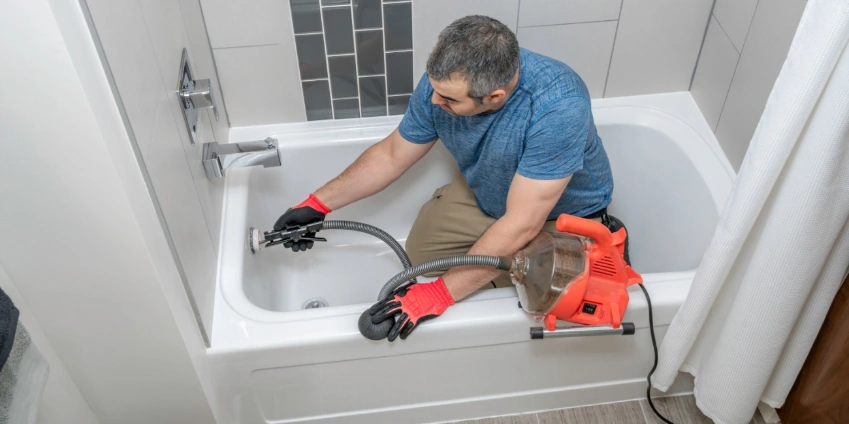
A slow-draining bathtub is a common household issue, often indicating a buildup of hair, soap scum, or other debris in the tub drain. Preventing bathtub clogs is crucial to avoid slow drains and the associated inconveniences. Left unaddressed, this can lead to bigger plumbing problems, and no one wants the frustration of standing in rising water during a relaxing bath. Using a drain protector can effectively capture hair and debris, simplifying maintenance and reducing the risk of clogs. This guide will help you tackle some simple fixes for a slow-draining tub and outline when it's time to call a professional plumber.
Key Takeaways
- Common culprits include hair, soap scum, and foreign objects that can clog the bathtub drain.
- Effective DIY methods like plunging, using a baking soda and vinegar mixture, or employing a drain snake can often clear minor clogs.
- Routine maintenance, such as using drain covers and periodically flushing with hot water, helps prevent clogs and maintains optimal water flow in the bathtub's drain.
- Use of chemical cleaners as a last resort for stubborn clogs, ensuring to follow the manufacturer's instructions and proper ventilation.
Overview
A slow-draining bathtub isn't just a minor inconvenience; it can be a sign of deeper plumbing issues in the drain line or vent pipe. Addressing problems with the tub's drain promptly is crucial to prevent further complications. Slow draining may start small but could escalate if ignored, causing lingering odors or even damage to bathroom flooring from excess moisture. While there are several easy methods to address the issue at home, such as using a plumber's snake or a cup-style plunger, recurring problems usually call for professional drain cleaning.Regularly tackling minor clogs and scheduling professional plumbing inspections when necessary will help keep your bathroom functional and reduce the risk of costly repairs.
Common Causes of a Slow-Draining Bathtub
Understanding why your tub drains slowly is the first step to finding an effective solution. Here are a few common causes:- Hair and Soap Scum: The combination of hair and soap residue creates stubborn clogs that restrict water flow through the bathtub drain.
- Bath Oils and Products: Bath oils and certain products like bath bombs can cause greasy or oily buildup, leading to substantial clogs over time.
- Foreign Objects: Items like children's toys, wipes, or large clumps of hair can accidentally block drains, restricting water flow.
- Mineral Deposits: In older plumbing systems, mineral buildup due to hard water can create restrictions in the pipes, reducing drainage efficiency.
- Drain Pipe Issues: Problems with the drain pipe, such as blockages or airlocks, can cause slow draining. Ensuring the drain line and vent pipe are functioning correctly is crucial.
- Main Sewer Line Clogs: Clogs in the main sewer line can lead to slow draining and may require professional intervention to resolve complex plumbing issues.
By identifying these common culprits, you can tackle them effectively and prevent future issues.
5 Methods to Fix a Slow-Draining Bathtub
Here are five tried-and-true methods for resolving a slow-draining tub. While these DIY methods are often effective, knowing when to call a professional is crucial for long-term resolution.1. Clear the Drain Stopper
One of the easiest ways to address a slow drain is to clean the drain stopper. Over time, debris such as hair and soap scum can accumulate around it and the drain opening, causing blockages. Follow these steps to clean your stopper:- Remove the Stopper: Depending on your stopper type, unscrew the knob on top and then unscrew the bolt from the crossbar.
- Clean the Stopper: Remove any hair and debris from the stopper and the area around it.
- Reassemble: Once it's clean, reassemble the stopper and check for drainage improvement.
Regularly cleaning the drain stopper is a simple way to prevent future clogs and maintain smooth water flow.
2. Use a Cup-Style Plunger
A cup-style plunger is one of the most effective tools for dislodging clogs located near the surface of the drain. Here's how to use it:- Remove the Stopper: Take out the drain stopper for direct access to the clog.
- Add Water: Fill the tub with enough water to submerge the plunger's base fully.
- Position the Plunger: Place the plunger firmly over the drain opening.
- Plunge: Use forceful plunging motions for several minutes to create pressure, which can help dislodge any obstructions.
If you're unsuccessful after several attempts, the clog may be deeper in the drain line, requiring professional tools or expertise.
3. Baking Soda and Vinegar Solution
The classic baking soda and vinegar mixture is effective for breaking down clogs caused by soap scum or minor hair accumulation. Follow these steps:- Pour Baking Soda: Start by pouring one cup of baking soda down the bathtub's drain.
- Add Vinegar: Follow with one cup of white vinegar. The mixture will create a fizzing reaction that helps break down minor clogs.
- Wait: Let the solution sit for 15-30 minutes to allow the reaction to dissolve the clog.
- Flush with Hot Water: Pour hot water down the drain to clear any remaining residue.
This method is ideal for minor clogs, but for recurring issues or persistent blockages, it's best to consult a plumber.
4. Boiling Water Method
Boiling water is an easy and effective way to dissolve grease buildup and soap scum within the drain. Here's how to use it:- Boil Water: Heat a pot of water until it reaches a rolling boil.
- Pour Gradually: Slowly pour the boiling water down the bathtub's drain in stages, allowing each pour to work through the clog.
- Combine with Other Methods: For even better results, try using boiling water after applying the baking soda and vinegar solution.
This method is great for clearing light buildup but may not work for deeper or more stubborn clogs.
5. Use a Plastic Drain Snake
A plastic drain snake is an excellent tool for removing hair and other debris near the drain's surface. Here's how to use it effectively:- Insert the Snake: Push the snake down into the bathtub's drain.
- Twist and Pull: Rotate the snake to latch onto any hair and debris, then pull it out slowly to avoid damaging the pipe.
- Repeat: Repeat as necessary until the drain is clear.
How To Prevent Future Clogs
Preventative steps can help keep your bathtub drain functioning smoothly and minimize the likelihood of clogs. Here are some practical steps:- Use a Drain Cover or Protector: Install a drain cover to catch hair and debris before they enter the drain.
- Flush with Hot Water: Pour hot water down the drain periodically to prevent buildup.
- Baking Soda and Vinegar Routine: Use this combination regularly to avoid minor clogs from forming.
- Maintain the Drain Pipe: Regularly check and clean the drain pipe to ensure it's free from blockages.
- Schedule Professional Inspections: Regular inspections can detect and fix potential issues early, maintaining optimal drainage and extending the lifespan of your plumbing system.
By adopting these practices, you can effectively prevent clogs and improve water flow.
When to Call a Professional for Drain Cleaning
While simple clogs can sometimes be cleared with basic DIY methods, recurring or stubborn drain problems often point to a deeper issue that requires professional attention. Ace Hardware Home Services provides expert drain cleaning services to safely remove tough blockages and fix your slow-drain bathtub without risking damage to your plumbing system. Our experienced plumbers use advanced equipment to identify the source of the clog and deliver long-lasting solutions.
It's time to schedule professional drain cleaning for your slow bathtub drain if:
- Your bathtub continues to drain slowly even after using a plunger, drain snake, or other DIY methods.
- Clogs keep coming back, which may indicate buildup deeper in the drain line or a larger plumbing issue.
- Multiple drains in your home are slow, a common sign of a blockage in the main sewer line.
- You notice foul odors or gurgling sounds coming from the drain, which can signal trapped debris or venting problems.
- Water backs up into the tub instead of draining normally, increasing the risk of water damage.
- You suspect pipe damage or corrosion, which should be evaluated by a licensed plumber before it leads to leaks or costly repairs.
Our professional plumbers use specialized tools, including high-powered drain augers and hydro jetting equipment, to remove deep blockages safely and thoroughly. Whether you're dealing with a slow bathtub drain, a stubborn clog, or a more serious sewer line issue, Ace Hardware Home Services can restore proper drainage and help prevent future plumbing problems.
Summary
Fixing a slow-draining bathtub can often be managed with DIY techniques like using a plunger, baking soda, vinegar, or a drain snake. However, persistent clogs or deeper issues require professional expertise. Practicing consistent maintenance and preventative measures will keep your bathtub's drainage running smoothly, helping you avoid the inconvenience and cost of major plumbing repairs.At Ace Hardware Home Services, we understand the frustration of dealing with a slow-draining bathtub and are here to help. Our team of experienced plumbers is equipped to tackle any plumbing issue, big or small. Whether it's a stubborn clog or a more complex plumbing problem, we offer reliable and efficient solutions tailored to your needs.
Find an Ace Hardware Home Services location near you today to schedule drain cleaning services and get your bathroom back to optimal functionality.
Frequently Asked Questions
Can I use chemical drain cleaners for a slow-draining bathtub?
Chemical cleaners can be effective but should be used as a last resort, as they can damage pipes over time. Always follow the manufacturer's instructions and ensure proper ventilation when using.
How often should I clean my bathtub drain to prevent clogs?
Clean the drain once a month, including removing the stopper and clearing visible debris. Regularly flushing with hot water or a baking soda and vinegar mix can help prevent buildup.
Why does my bathtub drain clog so frequently?
Frequent clogs may indicate a buildup of hair, soap scum, or mineral deposits from hard water. Installing a drain cover and conducting routine cleanings can help, but a professional inspection may be needed for persistent issues.
Can I prevent clogs by using a drain cover?
Yes, a drain cover catches hair and debris before they enter the drain, minimizing clogs.
What should I do if my bathtub's main sewer line is clogged?
For main sewer line issues, it's best to call a professional plumber. This type of clog typically requires specialized equipment for safe and effective clearing.
What is the most common cause of a slow bathtub drain?
The most common cause of a slow bathtub drain is a buildup of hair and soap scum inside the drain pipe. Over time, these materials collect and restrict water flow, causing the tub to drain more slowly. Regular cleaning and using a drain cover can help prevent these clogs from forming.
Are chemical drain cleaners safe for my pipes?
Chemical drain cleaners can sometimes clear minor clogs, but they should be used sparingly. Frequent use may damage certain types of pipes and plumbing fixtures over time. Mechanical methods or professional drain cleaning are often safer and more effective for stubborn or recurring clogs.
When should I call a plumber for a slow drain?
You should call a plumber if your bathtub continues to drain slowly after trying basic DIY methods, if clogs keep returning, or if you notice foul odors or gurgling sounds coming from the drain. These symptoms can indicate a deeper blockage or a problem with your home's plumbing system that requires professional equipment and expertise.
