- Ace Hardware Home Services/
- Offices/
- Ace Hardware Home Services Southern New Jersey/
- Whole House Water Treatment
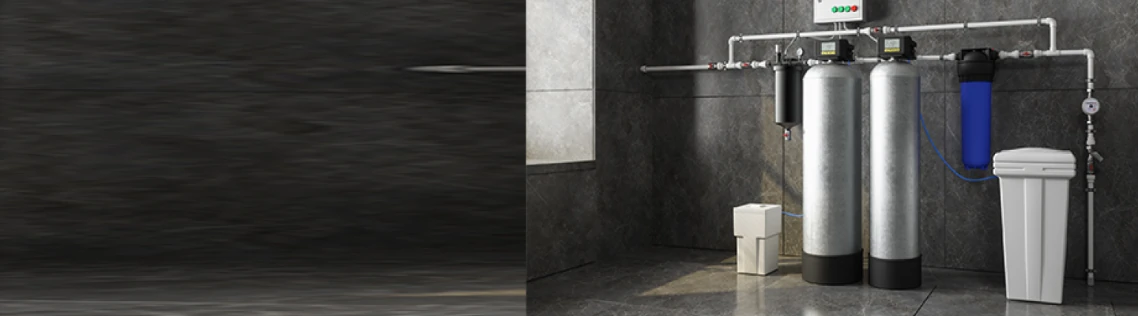
Water quality affects everything from your plumbing and appliances to the water you drink and use to clean. Ace Hardware Home Services works with homeowners who want treatment based on their water’s specific acidity, hardness, and contaminant levels. Whole-house water treatment in South Jersey is the best way to improve water quality before it flows from the tap or into an appliance. Schedule a water test today and get expert help choosing a treatment based on what’s in your water.
Why South Jersey Trusts Ace Hardware Home Services
Groundwater conditions aren’t consistent across South Jersey. Different municipal supplies and household plumbing systems create variability. Our regional experience helps us recommend the best options for both city water and well water treatment in South Jersey. Here’s why your neighbors trust our local team:

How Whole-House Water Treatment Works
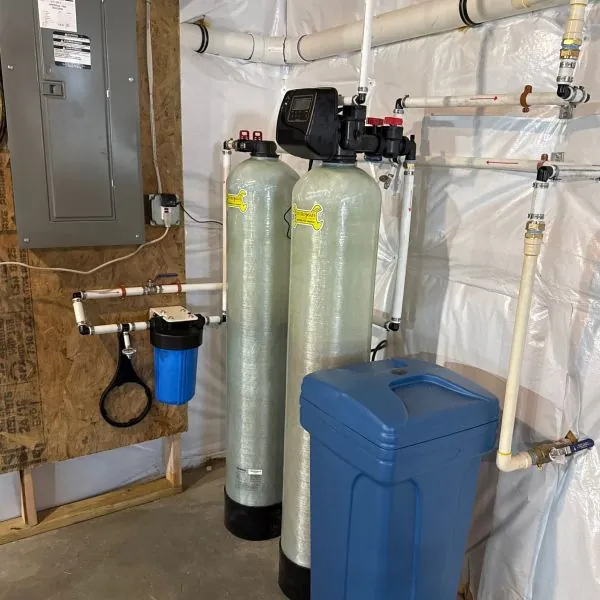
A point-of-entry water system in Southern New Jersey treats water near the main supply line entering your home. This sends treated water flowing to your faucets, showerheads, washing machine, dishwasher, ice maker, and water heater. Many homeowners prefer this whole-house approach over point-of-use equipment, which only treats water at one faucet or appliance. Several treatment technologies address different water problems. One home may have acidic well water, while another needs treatment for hardness. Sometimes, the water just smells or tastes off. To identify your water treatment needs, we evaluate factors such as pH, hardness, iron, and other common water-quality concerns. When testing for health-related contaminants such as nitrates, mercury, or VOCs, we may recommend certified laboratory testing.
Achieve cleaner and healthier water throughout your whole home with whole-house water treatment services from Ace Hardware Home Services.
Whole-House Treatment Systems We Install
The right system depends on what water testing reveals. The results guide which system we recommend for whole-home water filtration in South Jersey. Acidic groundwater is common in southern New Jersey, especially within the Kirkwood-Cohansey aquifer system. Low pH water may corrode metal pipes and fixtures. A neutralizer uses limestone-based media to raise the water’s pH. Since the media slowly dissolves during treatment, we recommend annual testing to check pH levels and replenish the limestone. Hard water contains excess calcium and magnesium. These minerals build up inside pipes and appliances and leave chalky residue on dishes, faucets, and glass shower doors. A cation-exchange water softener replaces hardness minerals with sodium or potassium ions. A brine solution regenerates the resin as needed, so it can keep treating the water. Reducing dissolved calcium and magnesium improves flow and lowers strain on your water heater. Nitrates can enter the groundwater from fertilizer runoff, septic systems, animal waste, and decaying organic material. You can’t taste, smell, or see nitrates in your water. High nitrate levels can be dangerous, especially for infants and young children. If you have a private well near farmland or another higher-risk area, annual nitrate testing is a good idea. A nitrate system uses anion-exchange resin to remove contaminants, then regenerates with a brine solution. This gives your home an effective treatment method for a contaminant you can’t detect on your own. Whole-house water filters trap iron, sediment, and other particles before they enter your plumbing. Many of these systems clean themselves through a backwash cycle. A mechanical valve controls this process and should be checked during routine service to keep the filter working properly. High chlorine levels in city-treated water can create a noticeable taste or smell. Sulfur can also cause an unpleasant odor. A carbon system filters out these compounds as water passes through the media. The carbon eventually becomes saturated and needs to be replaced or rebedded. That rotten-egg smell in your water stems from hydrogen sulfide. Sometimes the problem is with the water supply itself. Other times, a neglected water heater may be the source. We’ll determine where the odor is coming from before recommending treatment. An odor oxidizer treats hydrogen sulfide before the water reaches your faucets and fixtures. Ace Home Services installs an odor oxidizer system backed by an odor elimination guarantee. The system also uses a high-pressure pump that increases water pressure throughout the house. Mercury can enter private wells through contaminated groundwater, and testing is the only reliable way to know if it’s present. A mercury treatment system uses KDF-55 media to remove mercury from the water. The system also adjusts the pH so the treatment works as intended. Some homeowners may qualify for assistance through New Jersey’s Spill Compensation Fund Damage Claims Program. Eligible claims may cover installation, maintenance, and monitoring of a point-of-entry water system in Southern New Jersey. Volatile organic compounds can contaminate groundwater after spills or leaks involving fuels, solvents, or other chemicals. A VOC system uses activated carbon to capture these compounds. Water passes through two carbon tanks in sequence for the most thorough VOC removal possible. New Jersey homeowners may qualify for state-funded VOC water treatment after certain contamination events. See the Spill Fund program for details.Neutralizer System
Water Softener
Nitrate System
Water Filters
Carbon System
Odor Oxidizer System
Mercury System
VOC System
Metered & Timed Backwash Valves
Some treatment systems need to flush collected material or regenerate the media after use. A backwash valve controls when that happens. These come in two types: We often recommend a metered valve for more efficient operation and to avoid unnecessary salt and water use when you’re away.
Schedule Whole-House Water Treatment in South Jersey Today
Water treatment works best when it targets your specific issues. At Ace Hardware Home Services, we’ll test your water supply, explain what we find, and recommend the right equipment for those conditions. With our team on the job, you can trust that you’ll have cleaner and healthier water in your home. Contact us today to request a whole-house water treatment estimate in Southern New Jersey.
What is a point-of-entry water system?
Why is my South Jersey water acidic or low pH?
How do I get rid of a rotten-egg or sulfur smell in my water?
Do you test well water for nitrates?
How often does a whole-house system need service?